Key Takeaways
- These are points for attention, however, not obstacles.
- Many historic buildings today house technology companies, creative agencies, fintech firms and healthcare institutions: with fast internet, cloud-based systems, smart access control and advanced security.
What does an IT-label assess?
When we think about digital future-proofing, we often instinctively picture modern office buildings with glass facades, raised floors and high-tech installations. But what if your organisation is housed in an older or even a listed building? The short answer: yes, it has an influence, but it is not an obstacle. In fact, a historic building can perform excellently in digital terms.
An IT-label looks at a building's digital readiness: physical security of IT rooms, power supply and backup power, climate control, fire safety around IT equipment, connectivity and redundancy, cabling protection, continuity measures and organisational governance. The label therefore assesses not the age of the building, but the quality of the IT infrastructure and the extent to which risks are managed.
The challenges of older and listed buildings
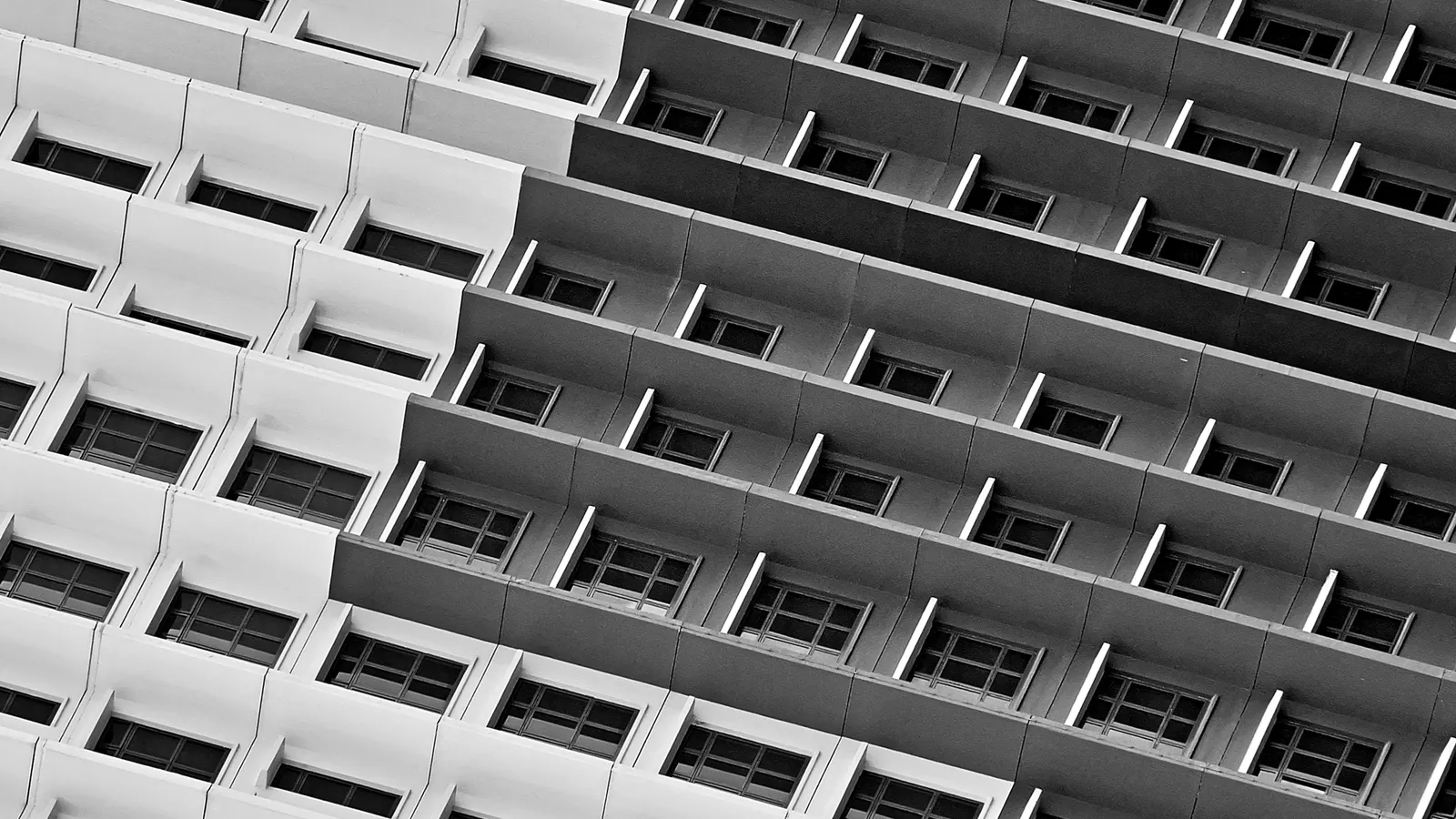
Older buildings can present specific points for attention. Thick walls, limited shaft space or listed building restrictions can make adapting infrastructure more complex. Older buildings do not always meet modern fire compartmentalisation requirements for IT rooms. Historic buildings are also not always designed for today's electrical load from IT equipment, while heat dissipation for server rooms often needs to be addressed retrospectively. For listed buildings, permit processes may additionally play a role in any modifications.
These are points for attention, however, not obstacles.
The power of smart integration
Technology makes it possible to fully modernise older buildings digitally without compromising their character. Think of fibre connections running through existing infrastructure, compact and energy-efficient server configurations, dedicated technical rooms within the existing fabric, invisibly routed cabling, modern UPS systems with a small footprint, smart sensors for temperature and humidity monitoring, and AI-driven building management systems. The combination of heritage and high technology is precisely what makes a building unique and future-proof.
These are points for attention, however, not obstacles.
It is also a misconception that new-build properties automatically score better. Modern buildings too can fall short when server rooms are insufficiently secured, redundant connections are absent, backup power has not been provided, IT rooms are shared with storage, or organisational governance is lacking. A new building without a well-thought-out IT configuration can be digitally more vulnerable than a well-updated listed property.
Curious about your building's IT-label?
Discover how your property scores on digital infrastructure.
Request IT-labelIT-label looks at quality, not age
The IT-label assesses how well risks are managed, whether continuity is guaranteed, whether the building is suited to modern digital applications and whether the infrastructure is future-proof. This means a nineteenth-century canal house with well-appointed IT facilities can meet high digital standards with ease. The core question is not how old the building is: the core question is how professionally the digital infrastructure has been set up.
Many historic buildings today house technology companies, creative agencies, fintech firms and healthcare institutions: with fast internet, cloud-based systems, smart access control and advanced security. The charm of the past and the technology of the future are an excellent match.
Conclusion
An older or listed building may require extra attention when establishing digital provisions. Structural constraints and regulations can make the process more complex, but they are not an obstacle to an IT-label. With the right investments and thoughtful setup, a historic building too can have fast internet, professional IT rooms, smart building systems and a high level of digital continuity. Digital future-proofing is not a matter of year of construction. It is a matter of vision, setup and quality.
Stay up to date with our knowledge articles
Receive our new articles on digital infrastructure in real estate in your inbox. No spam, unsubscribe at any time.
Almost done
We have sent you an email. Click the link in that email to confirm your subscription.


